

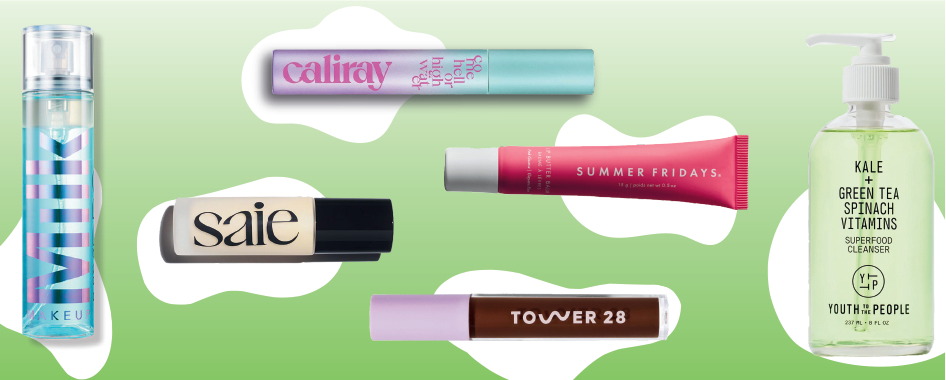
Clean beauty explained
What to know and what’s really worth your money.
Clean beauty has been around for a while, but it has more recently become a popular topic within the cosmetics world. It’s on posters, product labels, and ads everywhere. But many people don’t actually know what it means and what the benefits are to themselves or the environment, if there are any. Since there is no official definition, it can get confusing to understand what it means.
What Clean Beauty Actually Means
Clean beauty refers to products that are made without certain ingredients that some people think can be harmful or irritating, like parabens and synthetic fragrances. Clean beauty isn’t regulated by a government standard, so technically any brand can say that it’s “clean” since it just depends on that brand’s standards. Certain brands and retailers have made lists of products that don’t contain specific ingredients to help shoppers find options without them. It’s important to remember that just because a product is labeled as being clean doesn’t mean it’s 100% natural or that it’s better or safer. It’s really about looking to see what ingredients are excluded and seeing how transparent the brand is when it comes to its ingredients.
Is Clean Beauty Better?
What everyone wants to know is whether clean beauty is better for your skin — and it really just depends! It can be better for those who have very sensitive skin that reacts to certain ingredients or those who care about knowing what’s in their products.
But it isn’t true that all synthetic ingredients are bad, some can actually improve how a product performs or its texture. A clean product also isn’t necessarily safer or more effective for your skin.
So is clean beauty worth it? It can be worth it depending on what you care about, but it’s not guaranteed that the product will be better for you.